Reforming the Entire Fairness Standard in Corporate Law

Wednesday, September 16th, 2026
4:30 PM - 5:30 PM

Add to Calendar: Add to Calendar: 2026-09-16 16:30:00 2026-09-16 17:30:00 Reforming the Entire Fairness Standard in Corporate Law Event Description Depending on the circumstances, Delaware courts review the decisions of corporate fiduciaries (such as directors and controlling shareholders) under any of various so- called standards of review. When the fiduciaries are conflicted, courts apply the most exacting standard of review, the “entire fairness” standard. Under that standard, the conflicted fiduciaries are required to prove that the challenged decision involved both a fair process and a fair price. Because courts are naturally better at evaluating process than price, however, there has been a counterproductive tendency in the caselaw to emphasize procedural fairness even though shareholders naturally care only about price, a fair process being valuable to them only to the extent that it produces a fair price. This paper argues that the entire fairness standard should be reformed to concentrate solely on price, with process issues being relevant only to the extent that they tend to show that the price was fair. If the conflicted fiduciaries can show that the price fell within the range of fairness, then, regardless of any infirmities of process, that should be sufficient to satisfy their burden under the entire fairness standard.Reading MaterialsSpeaker’s Bio Moot Courtroom School of Law School of Law America/New_York public

Free

1 hour of CLE credit has been approved

Event Description

Depending on the circumstances, Delaware courts review the decisions of corporate fiduciaries (such as directors and controlling shareholders) under any of various so- called standards of review. When the fiduciaries are conflicted, courts apply the most exacting standard of review, the “entire fairness” standard. Under that standard, the conflicted fiduciaries are required to prove that the challenged decision involved both a fair process and a fair price. Because courts are naturally better at evaluating process than price, however, there has been a counterproductive tendency in the caselaw to emphasize procedural fairness even though shareholders naturally care only about price, a fair process being valuable to them only to the extent that it produces a fair price. This paper argues that the entire fairness standard should be reformed to concentrate solely on price, with process issues being relevant only to the extent that they tend to show that the price was fair. If the conflicted fiduciaries can show that the price fell within the range of fairness, then, regardless of any infirmities of process, that should be sufficient to satisfy their burden under the entire fairness standard.

Reading Materials

Speaker’s Bio

Event Location

Moot Courtroom

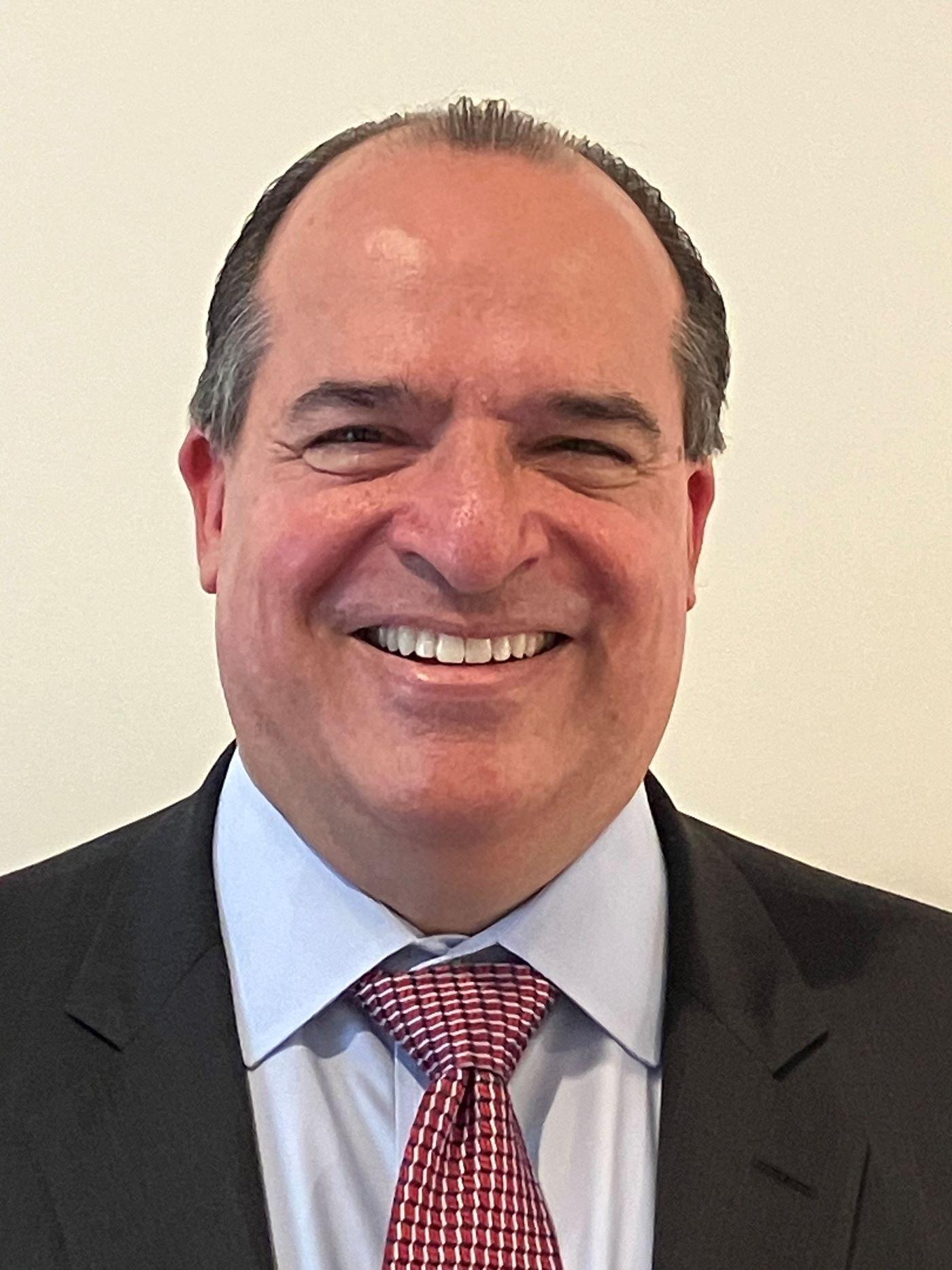
Headshot of Robert Miller

Robert T. Miller

Chair, Antonin Scalia Law School

George Mason University